
-
Film
-
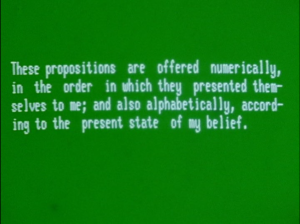
Ghost in the Machine: Hollis Frampton’s Gloria!
by Max Nelson August 16, 2013
If it is a goodbye, though, it’s also a kind of celebration.
-

Lost and Found: John Torres Discusses Lukas the Strange
by Aaron Cutler July 9, 2013
In all of the Filipino filmmaker John Torres’ films, stories exist to fill a void that lost memories have left, and throughout them all, the fear lingers that the void will remain.
-
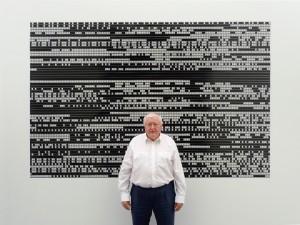
I Built Then My Ecstasy: On Peter Kubelka’s Cinema
by Michael Metzger May 3, 2013
Considering the cinema of Peter Kubelka on the occasion of Martina Kudláček’s monumental documentary, Fragments of Kubelka.
-
The Secret of a Happy Home: David Gatten on The Extravagant Shadows
by Aaron Cutler April 26, 2013
The idea is one of contingency. Everybody must feel that something has been missed, because electing one course of life precludes any other. But what in my case has been missed?
-
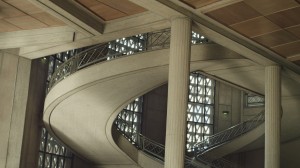
Personal Records: Heinz Emigholz on Perret in France and Algeria
by Aaron Cutler February 15, 2013
Cinema is usually built to show something that takes place within a space, but cinema can represent spaces themselves in the best way that you can think of.
-

Burning Barriers: Francis Alÿs’ REEL-UNREEL
by Aaron Cutler February 1, 2013
REEL-UNREEL lets us think about images of Afghan life being destroyed while the originals remain.
-

Modern, all too modern
by Keith Sanborn January 25, 2013
The avant-garde is dead. Long live the avant-garde.
-
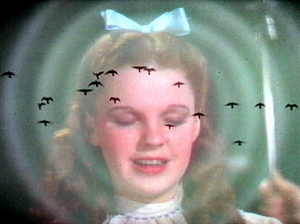
The Reanimator: Keith Sanborn’s “Modern, all too modern”
by Giampaolo Bianconi January 25, 2013
A critical introduction to Keith Sanborn’s 1988 manifesto, “Modern, all too modern”.
-
Stirring Still: Andrés Di Tella on Claudio Caldini and Hachazos
by Aaron Cutler January 16, 2013
One of the things you’re always looking for in documentaries is a way to allow the viewer in, not to have him just listen to a lecture.
-
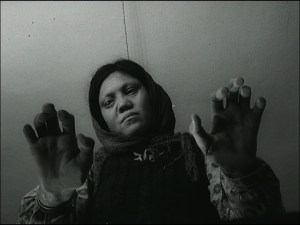
Waiting for Light
by Max Nelson January 7, 2013
Exploring the radical empathy of Forough Farrokhzad’s The House Is Black.
-
