
- Ghost in the Machine: Hollis Frampton’s Gloria!
Ghost in the Machine: Hollis Frampton’s Gloria!
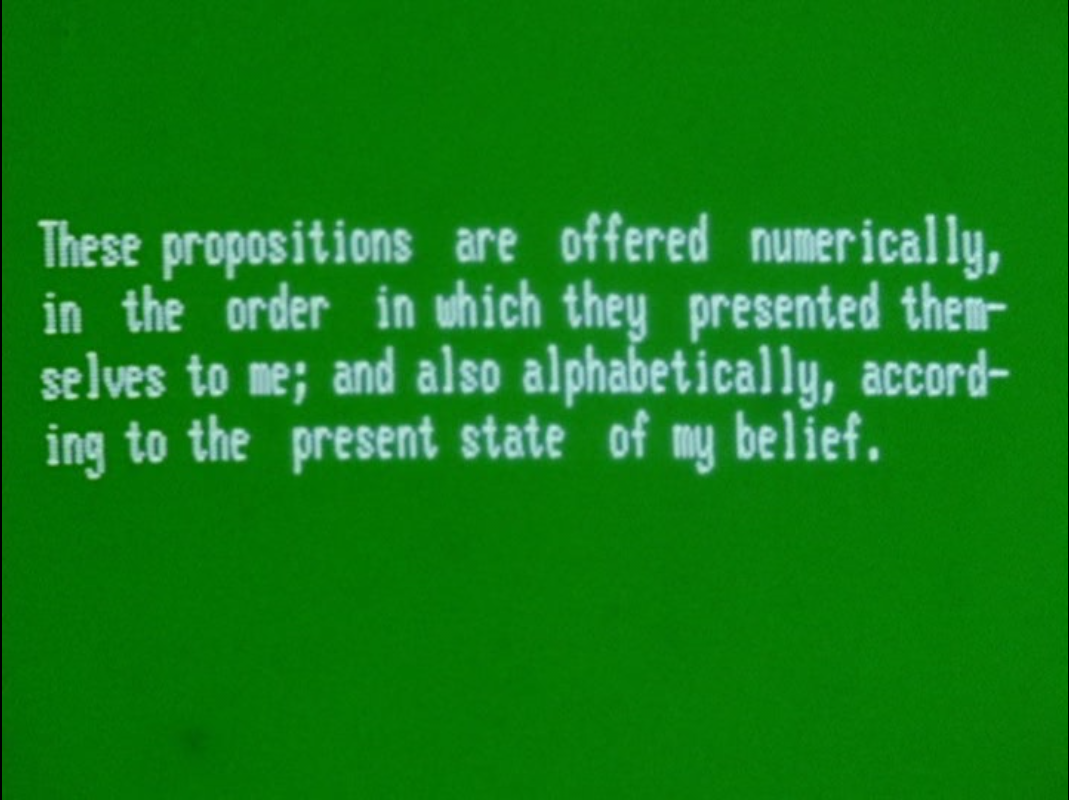
If it is a goodbye, though, it’s also a kind of celebration.
- Lost and Found: John Torres Discusses Lukas the Strange
Lost and Found: John Torres Discusses Lukas the Strange
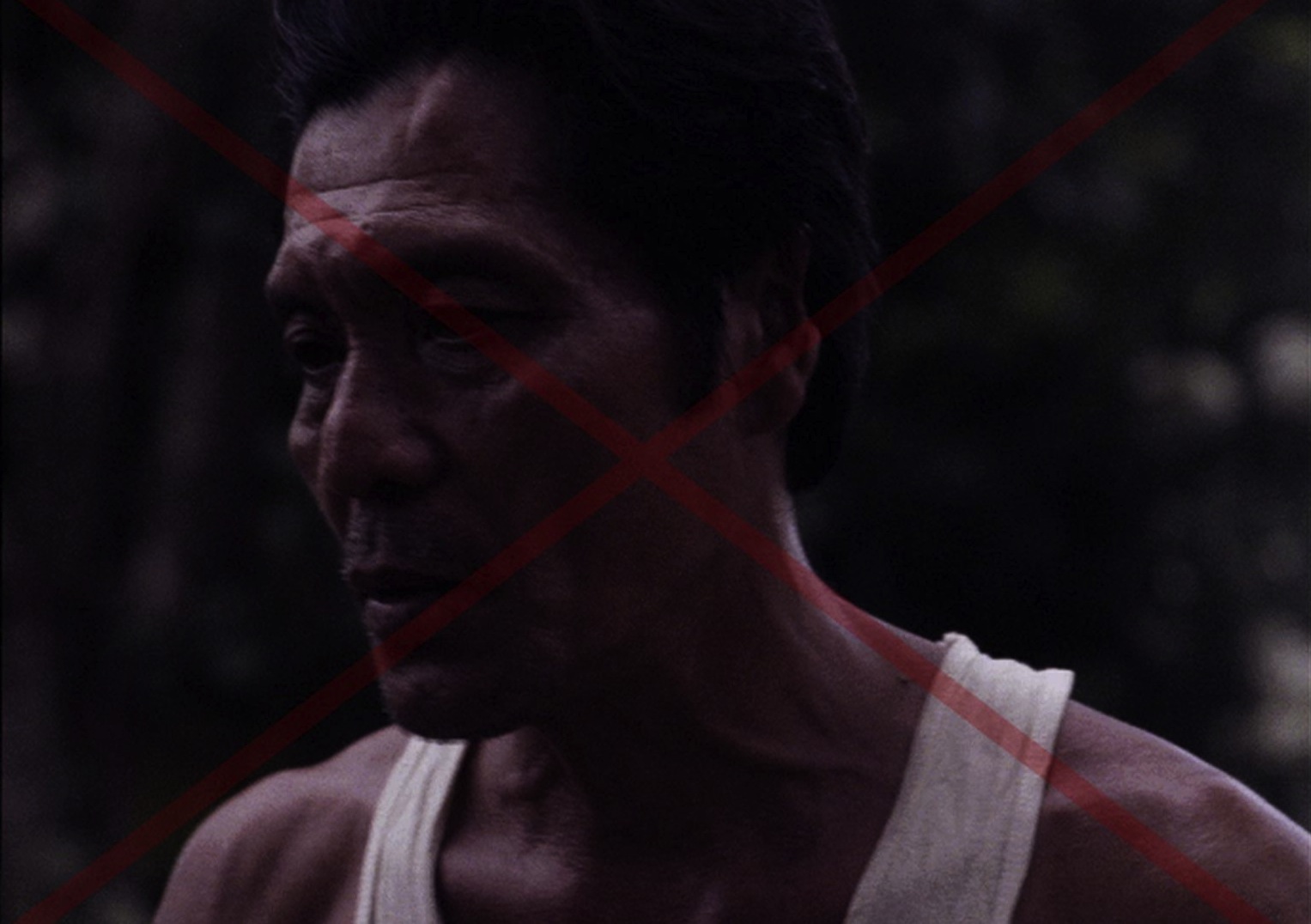
In all of the Filipino filmmaker John Torres’ films, stories exist to fill a void that lost memories have left, and throughout them all, the fear lingers that the void…
- I Built Then My Ecstasy: On Peter Kubelka's Cinema
I Built Then My Ecstasy: On Peter Kubelka’s Cinema
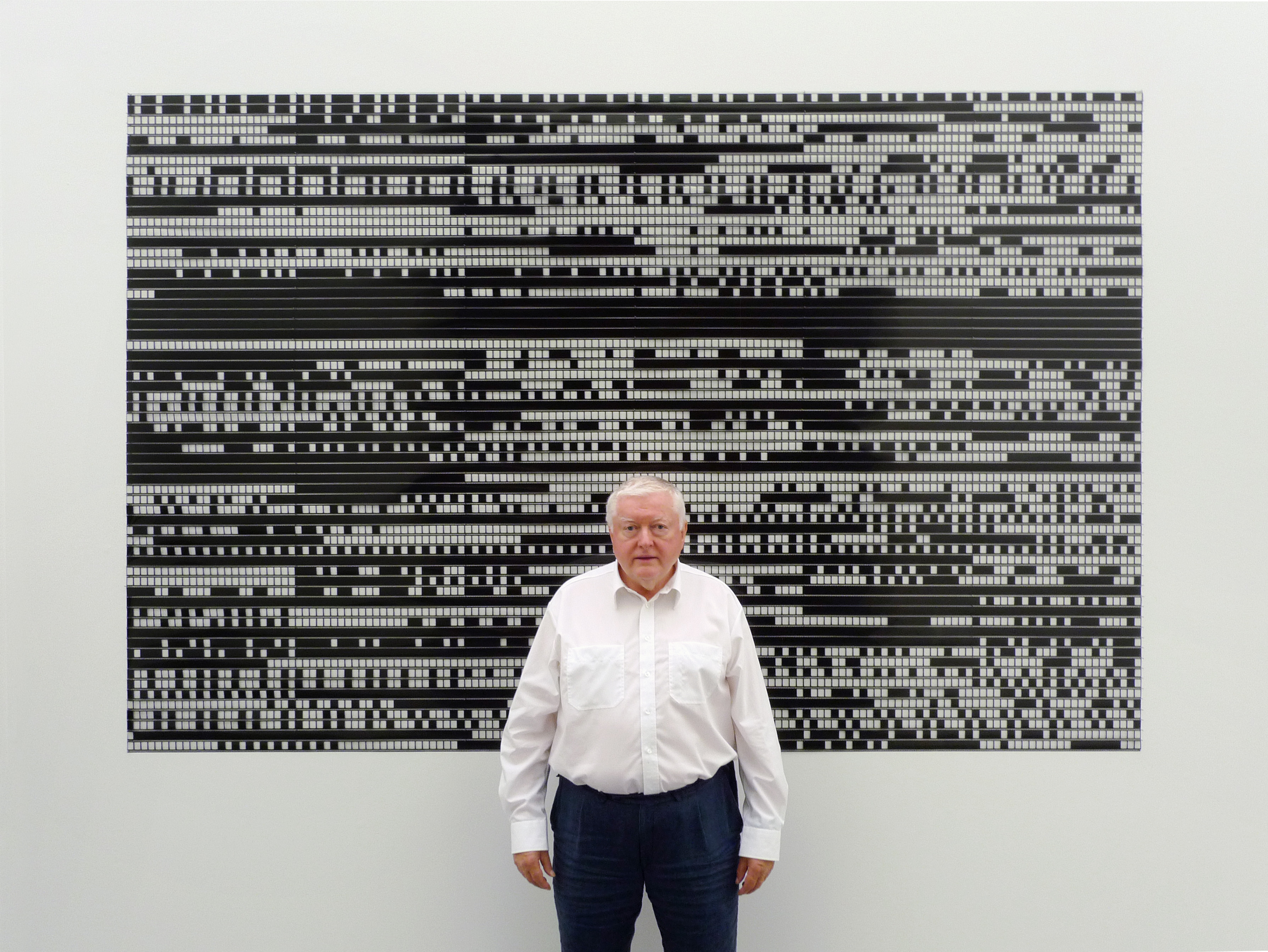
Considering the cinema of Peter Kubelka on the occasion of Martina Kudláček’s monumental documentary, Fragments of Kubelka.
- The Secret of a Happy Home: David Gatten on The Extravagant Shadows
The Secret of a Happy Home: David Gatten on The Extravagant Shadows
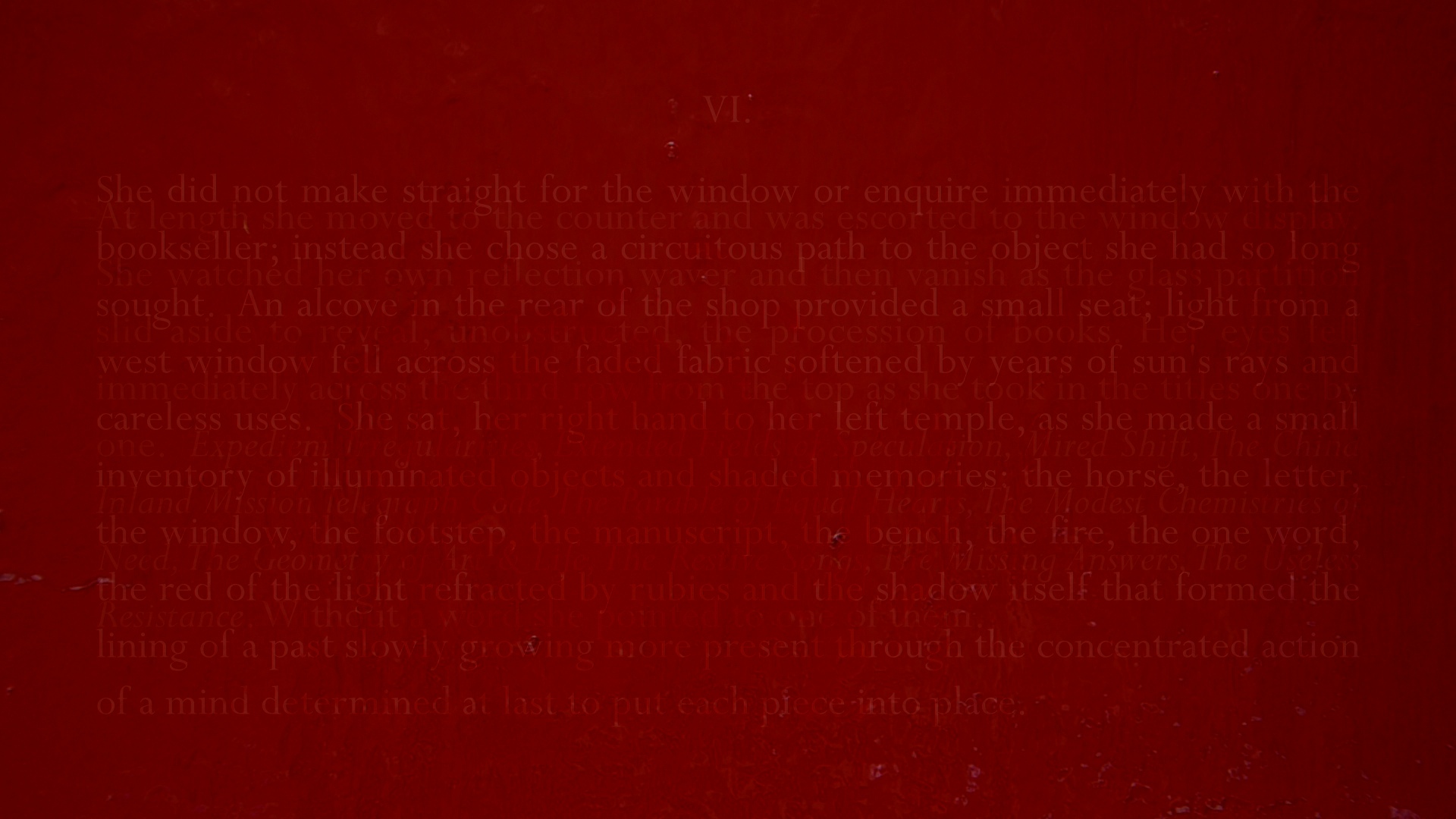
The idea is one of contingency. Everybody must feel that something has been missed, because electing one course of life precludes any other. But what in my case has been…
- Selection No. 11
Selection No. 11
Archives, science and interviews with the Israeli secret internal security service.
-
-
Ghost in the Machine: Hollis Frampton’s Gloria!
by Max Nelson August 16, 2013
If it is a goodbye, though, it’s also a kind of celebration.
-
Lost and Found: John Torres Discusses Lukas the Strange
by Aaron Cutler July 9, 2013
In all of the Filipino filmmaker John Torres’ films, stories exist to fill a void that lost memories have left, and throughout them all, the fear lingers that the void will remain.
-
I Built Then My Ecstasy: On Peter Kubelka’s Cinema
by Michael Metzger May 3, 2013
Considering the cinema of Peter Kubelka on the occasion of Martina Kudláček’s monumental documentary, Fragments of Kubelka.
-

The Secret of a Happy Home: David Gatten on The Extravagant Shadows
by Aaron Cutler April 26, 2013
The idea is one of contingency. Everybody must feel that something has been missed, because electing one course of life precludes any other. But what in my case has been missed?
-

Selection No. 11
by Yaelle Amir April 16, 2013
Archives, science and interviews with the Israeli secret internal security service.
-
SELF MADE MAN MAN MADE LAND, a response
by Christine Shan Shan Hou April 15, 2013
Is looking the only way to be? What a cryptic way to begin.
-

Be (In) Here Now
by Laila Pedro April 8, 2013
From the first moment of seeing Harlan’s Cave through the glass, certainty evaporates.
-
Mediated Parallelogram, Mediated Square
by Monica Uszerowicz March 13, 2013
Min Song’s ability to construct portraits of life, death, and the passage of time through placid, architectonic structures might be an aspect of Duchamp’s take on 'making.'
-
